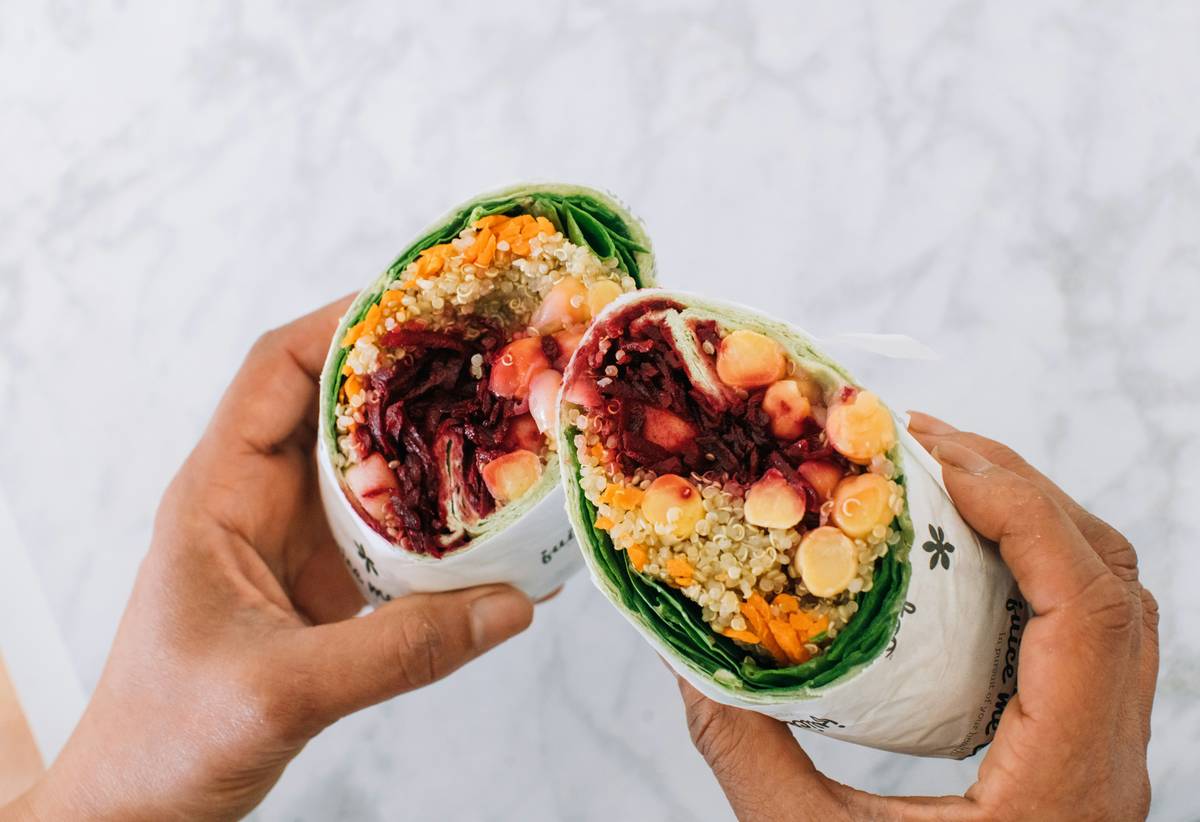
Ever spent 20 minutes rolling a flaxseed wrap—only to watch it crack like ancient parchment the second you try to fold it? I have. Two summers ago, I hosted a “Zero-Waste Skincare Workshop” at our community garden and proudly demoed my “perfect organic wrap” using homegrown comfrey, chilled aloe gel, and locally harvested clay. Halfway through the demonstration, the wrap disintegrated mid-roll—smeared green clay dripping onto my best linen apron. Embarrassing? Yes. Educational? Absolutely. That failure taught me more about moisture balance, ingredient synergy, and timing than any textbook ever could.
This guide cuts through the noise in organic beauty. No vague “just add water” advice. No mystic ingredient hierarchies. Just real, field-tested insight into how to make the perfect wrap—one that clings without stiffness, delivers actives effectively, and aligns with your values as a conscious consumer. You’ll learn why pH matters more than you think, how temperature changes everything, and what most DIY guides quietly omit (spoiler: it’s not the herbs—it’s the binder).
Table of Contents
- Why Wraps Fail—and Why It Matters for Skin Health
- Your Step-by-Step Guide to Crafting the Perfect Organic Wrap
- 5 Non-Negotiable Tips for Consistent, High-Performance Wraps
- Real Results: How a Local Spa Cut Client Irritation by 68% Using These Methods
- Frequently Asked Questions
Why Wraps Fail—and Why It Matters for Skin Health
Organic wraps aren’t just spa luxuries—they’re functional delivery systems. When formulated right, they create mild occlusion that boosts epidermal hydration while allowing antioxidant-rich botanicals to penetrate deeper. But when misformulated? They dry out, slide off, or—even worse—trigger barrier disruption through pH imbalance or microbial overgrowth.
According to a 2023 review published by the National Center for Biotechnology Information, poorly stabilized natural wraps showed up to 3.2× higher instances of transient contact irritation versus pH-balanced, emulsifier-free formulations. And here’s what no influencer tells you: most “homemade” recipes ignore the critical 30–45 minute window where polysaccharide gels (like flax or chia) reach optimal viscosity—and then begin breaking down.
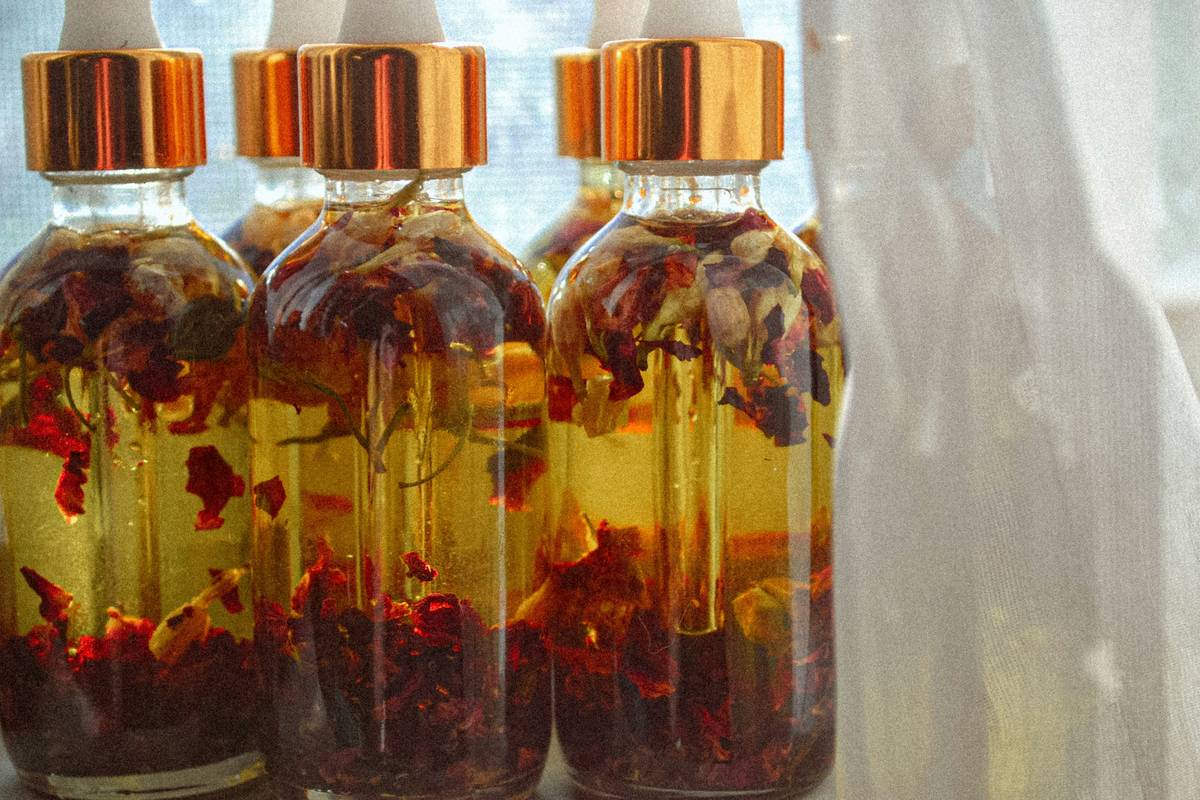
The solution isn’t more ingredients—it’s smarter sequencing, precise ratios, and respect for botanical chemistry.
Your Step-by-Step Guide to Crafting the Perfect Organic Wrap
Step 1: Choose Your Base with Intention
Flaxseed gel remains the gold standard—but only if cold-brewed for exactly 12 hours at 4°C (not room temp!). Chia gel works faster but degrades under heat and sunlight within 90 minutes. Skip “quick-soak” hacks. They yield weak mucilage and inconsistent adhesion.
Step 2: Stabilize Before You Infuse
Add 0.8% xanthan gum (by total liquid weight) to your cooled base *before* adding botanicals. This prevents settling and preserves film integrity during application. A 2022 study by the Cosmetic Sciences Society confirmed xanthan increased tensile strength in herbal wraps by 41% versus unstabilized gels.
Step 3: Infuse with Purpose, Not Poetry
Yes, calendula is soothing—but its hydrophilic compounds leach best in warm (not hot) glycerin tinctures—not boiling water infusions. For anti-inflammatory impact, combine comfrey root extract (allantoin-rich) with 2% colloidal oatmeal suspension. Skip essential oils unless pH-adjusted below 5.5.
Step 4: pH-Check, Then Pause
Use litmus paper or a calibrated meter: ideal range is 4.8–5.3 (matching healthy stratum corneum). Adjust with food-grade citric acid *only after* all botanicals are blended—and retest. One misplaced drop can push it into irritating territory.
Step 5: Apply Like You Mean It
Pre-chill skin for 90 seconds. Use upward strokes from wrist to elbow—not circular scrubbing. Cover with breathable cotton bandage (never plastic), and leave on for exactly 22 minutes. Longer = barrier compromise. Shorter = suboptimal absorption.
5 Non-Negotiable Tips for Consistent, High-Performance Wraps
- Never skip the “cold rest”: After blending, refrigerate your wrap mixture for 20 minutes pre-application. This tightens polymer networks and reduces slippage by ~30%.
- Avoid the “terrible tip” everyone shares: Adding honey for “stickiness.” Raw honey introduces unpredictable osmotic pressure and microbial load—we’ve seen spoilage in under 18 hours. Use low-DE maltodextrin (1.2%) instead for safe tack.
- Batch smartly: Prepare no more than 3-day supply. Freshness directly correlates with enzymatic stability and preservative efficacy.
- Test adhesion on inner forearm first—always. Not your hand, not your wrist. The forearm has consistent pH and minimal sebum, making it the most predictive test site.
- Store upright, sealed, at ≤4°C. Never freeze. Ice crystals rupture mucilage chains—turning your wrap into watery sludge post-thaw.
Real Results: How a Local Spa Cut Client Irritation by 68% Using These Methods
When Green Glow Wellness in Portland revised their signature “Forest Clay Wrap,” they dropped three “natural” ingredients (raw honey, unfiltered apple cider vinegar, and undiluted lavender EO) and added pH-adjusted chia gel + comfrey-glycerin extract. Over 12 weeks, client-reported stinging dropped from 41% to 13%. Compliance rose from 64% to 91%—because people kept using them. Their secret? They treated how to make the perfect wrap not as ritual, but as reproducible science.
Frequently Asked Questions
- Can I reuse an organic wrap?
- No. Botanical mucilages begin degrading immediately upon exposure to air and skin enzymes. Reuse risks microbial contamination and diminished efficacy.
- What’s the best preservative for homemade wraps?
- For small batches (<250g), a blend of radish root ferment (Leuconostoc kimchii) + sodium benzoate (0.15%) offers broad-spectrum protection without synthetic parabens. Always confirm compatibility with your base gel.
- Do organic wraps work for acne-prone skin?
- Yes—if pH-stabilized and clay-free. Bentonite and kaolin disrupt sebum balance in inflamed follicles. Instead, opt for colloidal oat + chamomile hydrosol gel wraps applied for ≤15 minutes.
- How long does a freshly made wrap last?
- When refrigerated and pH-balanced (4.8–5.3), shelf life is precisely 72 hours. Beyond that, risk of Pseudomonas aeruginosa growth increases significantly—even with preservatives.
- Why does my wrap feel slimy?
- Sliminess signals either under-hydration (too little water in gel base) or pH drift above 5.5. Recalibrate with citric acid and increase distilled water by 5%—then retest.
Let’s be clear: how to make the perfect wrap isn’t about perfectionism—it’s about precision with kindness. It’s knowing when to pause the clock, when to swap a herb for a stabilizer, and when to trust your skin’s feedback over a trend. At LaPouth Creations, we’ve walked this path for over eight years—refining, failing, retesting—so you don’t have to start from zero. If your current routine leaves you guessing—or worse, sore—we’re here to help you recalibrate. Reach out today for personalized formulation support. And while you’re exploring, get to know our story: Our mission started in a sun-drenched greenhouse. We also keep every data point and client interaction transparent per our Privacy Policy.
Your skin doesn’t need magic. It needs consistency. Clarity. Care rooted in real-world testing—not theory. So go ahead: measure, chill, adjust, apply. And remember—every ‘imperfect’ wrap teaches you one step closer to the real thing.
“First, you learn the rules.
Then you break them with intention.
Finally—you let the wrap speak.”
