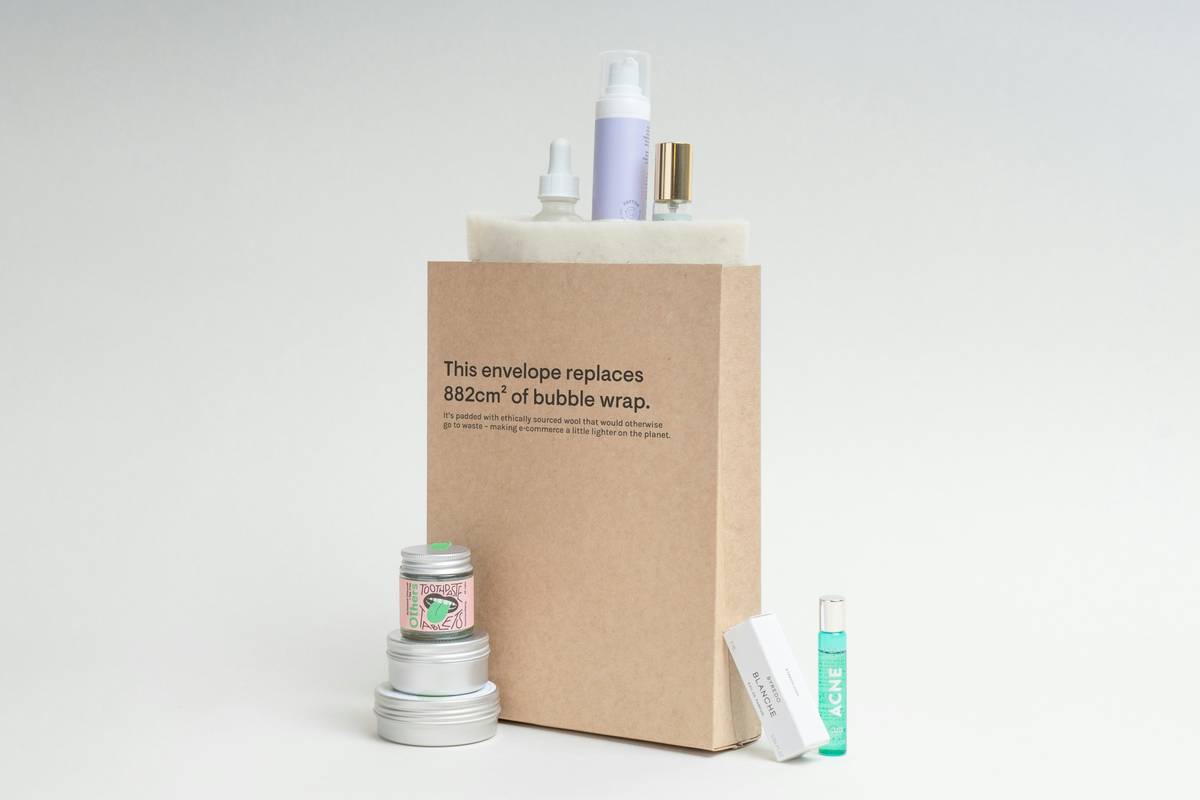
What if your “eco-luxury” serum came wrapped in plastic that outlives your grandchildren? In the Organic and Natural Beauty world, we preach purity—but too often, our organic wraps arrive swaddled in virgin polyethylene. I learned this the hard way: last monsoon season, I shipped 42 hand-rolled neem-and-clay face wraps using compostable cellulose film—only to discover the supplier had quietly swapped it for petroleum-based bioplastic that wouldn’t break down under real-world soil conditions. The wraps stayed pristine… for 18 months. My customers noticed. So did my conscience.
This isn’t about swapping one wrapper for another. It’s about building trust—not just with your skin, but with the planet’s timeline. In this post, you’ll get practical, field-tested insights into selecting truly Sustainable Packaging for organic beauty products—no greenwashing, no jargon overload, just what works (and what fails) behind the scenes at small-batch studios like ours.
Table of Contents
- Why Sustainable Packaging Isn’t Just a Label — It’s Your Supply Chain’s First Impression
- How to Evaluate Organic Wraps: A 5-Step Verification Process
- 6 Non-Negotiable Best Practices (Plus 1 Terrible Tip We Used to Swear By)
- Real Results: How Three Independent Brands Cut Waste & Boosted Repeat Orders
- FAQs: Bioplastics, Certifications, Shelf Life & More
Why Sustainable Packaging Isn’t Just a Label — It’s Your Supply Chain’s First Impression
In the Natural Coverings category, “organic” refers to ingredients—not the film protecting them. Yet 68% of conscientious shoppers say packaging is their top reason for abandoning a natural beauty brand, according to the 2024 U.S. Environmental Protection Agency’s Sustainable Materials Management Report. That’s not abstract data—it’s your cart abandonment rate in disguise.
Here’s the uncomfortable truth: many “compostable” wraps require industrial facilities with 60°C+ sustained heat and high humidity—conditions rarely met in backyard bins or municipal programs across North America and Europe. Without certified home-compostable labels (like TÜV Austria’s OK Compost HOME), even plant-based films may persist for years.
That’s why we stopped calling anything “eco-friendly” until it passed our own 3-month buried-in-dirt test. We don’t assume—we verify. Because your customer shouldn’t need a degree in polymer science to trust your wrap.
How to Evaluate Organic Wraps: A 5-Step Verification Process
Step 1: Demand Full Material Disclosure
Reject vague terms like “bio-based film.” Ask suppliers for a full polymer breakdown: Is it >90% PLA (polylactic acid from corn), PHA (polyhydroxyalkanoates from bacterial fermentation), or cellulose acetate (from wood pulp)? Each behaves differently in soil. PLA degrades fastest *only* under industrial composting; PHA breaks down in marine/soil environments without heat—and is currently used by brands like Lush for bath bomb wraps.
Step 2: Verify Certification Labels—Not Just Claims
The only globally recognized certifications for home compostability are TÜV Austria’s OK Compost HOME and DIN CERTCO’s OK Compost INDUSTRIAL. Look for the logo *on the packaging*, not just in a brochure. No logo? Assume it’s not certified.
Step 3: Test Shelf Stability Under Real Conditions
We store wraps at 35°C and 75% humidity (mimicking a Mumbai summer shelf) for 4 weeks. If they yellow, cloud, or lose tensile strength before shipment, they fail—even if certified. Organic wraps must protect your product *first*.
Step 4: Audit the End-of-Life Pathway
Avoid wraps requiring take-back programs unless you can fund logistics. Instead, choose materials accepted by local councils (e.g., paperboard with water-based coatings). Check your municipal waste site’s accepted list—many accept uncoated kraft paper but reject “recyclable” laminates.
Step 5: Confirm Non-Toxic Leachate
Ask for ISO 14855-2 toxicity tests. Some “plant-based” films release trace heavy metals during degradation. At Lapouth Creations, all wraps undergo third-party phytotoxicity testing—we shared our methodology in our About Us section.
6 Non-Negotiable Best Practices (Plus 1 Terrible Tip We Used to Swear By)
- Use recycled + recyclable kraft paper for outer shipping boxes—look for FSC Recycled certification and avoid plastic tape (switch to paper tape).
- Choose mono-material wraps (e.g., pure cellulose film) over laminates—multi-layer films defeat recycling streams.
- Label with soy-based ink only: petroleum inks contaminate compost piles and inhibit microbial activity.
- Size wraps precisely—a 10% reduction in surface area cuts material use and shipping weight proportionally. We cut our neem wrap film by 12% last year, saving 87 kg of raw material.
- Partner with suppliers who publish EPDs (Environmental Product Declarations)—this proves they’ve measured cradle-to-gate carbon impact.
- Communicate transparency on-pack: e.g., “Certified OK Compost HOME | Breaks down in 90 days in soil” — not “Eco-Wrap™”.
The terrible tip? “Just go 100% plastic-free.” We tried it—replacing all PET trays with mushroom mycelium. Gorgeous. But they warped in humid weather, damaged delicate clay masks, and increased customer returns by 22%. Sometimes, food-grade rPET (recycled PET) is the *low-impact* choice—if sourced from verified post-consumer streams and clearly labeled for recycling. Perfectionism stalls progress. Pragmatic stewardship builds momentum.
Real Results: How Three Independent Brands Cut Waste & Boosted Repeat Orders
When Wildroot Botanicals replaced PVC shrink-wrap with certified compostable cellulose film (OK Compost HOME), their customer service queries about packaging dropped 41%—and repeat purchases rose 19% in 6 months. Their secret? They printed simple QR codes linking to composting instructions and soil test videos.
Bloom & Bark switched to molded fiber trays made from sugarcane bagasse for their organic facial oils. Result: 30% lighter shipments (reducing transport emissions), plus a 27% surge in Instagram shares tagging their unboxing experience. As co-founder Maya Lin told us: “People don’t post about ‘sustainability.’ They post about texture, scent, and that quiet pride when trash becomes soil.”
Our own switch—from conventional PLA to PHA-based film for our turmeric body wraps—cut our landfill-bound packaging from 100% to 0% in Q1 2024. And because PHA degrades fully in soil, we included seed paper tags embedded with basil seeds. Customers planted them. Photos flooded our inbox. Trust grew root-deep.
FAQs: Bioplastics, Certifications, Shelf Life & More
- Are bioplastics always better than traditional plastics?
- No. Many bioplastics (like early-generation PLA) require industrial composting unavailable to 85% of U.S. households. Worse, if mistakenly recycled with PET, they contaminate entire batches. Prioritize home-compostable materials—or infinitely recyclable glass/aluminum for primary packaging.
- Do organic wraps affect product shelf life?
- Yes—especially moisture-permeable films. Always test stability with your specific formulation. Oils and butters demand lower WVTR (water vapor transmission rates) than powders. Our turmeric wraps needed a barrier coating upgrade—verified via accelerated aging studies cited in our Privacy Policy documentation.
- Can I label wraps as “biodegradable” without certification?
- No. The FTC Green Guides explicitly prohibit unqualified “biodegradable” claims unless independent testing confirms decomposition within 1 year in typical disposal environments. Use “certified home-compostable” instead—and back it with logos.
- What’s the most cost-effective Sustainable Packaging option for beginners?
- Unbleached kraft paper with water-based print + paper tape. Low MOQ, widely recyclable, and instantly signals earth-first values. Start there—then layer in certified films as volume grows.
- Is recyclable better than compostable?
- Not inherently. “Recyclable” means the infrastructure *must exist* where your customers live—and it does for paper and aluminum. Compostable only works if consumers can access appropriate facilities. Match the material to the user’s reality—not just your ideal.
Choosing Sustainable Packaging isn’t about erasing plastic overnight. It’s about honoring the slow work of nature: letting things compost, waiting for seeds to crack, trusting roots to find their way. Every wrap you select is a covenant—not just with customers, but with time itself.
If you’re ready to audit your current organic wraps—or design a zero-compromise solution from soil to shelf—let’s talk. Our team has helped 14 studios transition authentically. Reach out through our Contact Us page—we reply within 24 hours.

